
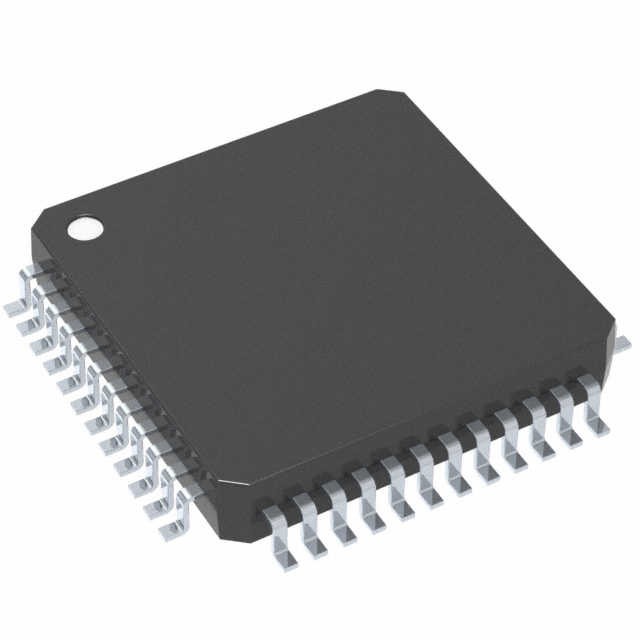
Why Chips Are Always Out of Stock — And How to Source Them
The chip shortage officially ended. So why are some parts still impossible to find — and why do the prices make no sense?
If you've been buying electronic components for any length of time, you already know this feeling. You go to place a routine order for a part you've used for years. Lead time: 52 weeks. Or worse — no stock anywhere, at any price that makes sense. Your second-choice distributor has 300 units. You need 5,000. The third option is a broker you've never heard of, quoting six times the standard price.
The pandemic-era chip shortage officially wound down. The headlines said so. Industry analysts declared it over. And yet, for a specific set of components, the problem never really went away. It just stopped being news.
This isn't bad luck. There are real structural reasons why certain chips stay chronically hard to find, and understanding them is the first step to sourcing more intelligently — and avoiding the traps that cost procurement teams serious money.

It's Not One Shortage. It's Dozens of Different Ones.
The phrase "chip shortage" gets used as if it describes a single, uniform problem. It never did. What actually happened — and what continues to happen — is a collection of separate supply imbalances, each driven by its own set of causes, each affecting different parts of the component ecosystem.
Some shortages are demand-driven. AI infrastructure build-out has created explosive, sustained demand for high-bandwidth memory and advanced logic chips. Manufacturers can't add capacity fast enough because fabs take years and billions of dollars to build. You can't solve that with a purchase order.
Others are legacy-node problems. A huge portion of the chips used in everyday products — microcontrollers, analog ICs, power management chips — are built on manufacturing processes that are 10, 15, or 20 years old. These mature nodes don't attract new investment because the profit margins are lower. Capacity is fixed, and when demand spikes, there's no valve to open.
Then there are allocation games. When a popular chip is in short supply, manufacturers allocate stock to their preferred customers — typically large OEMs with long-term contracts. Everyone else gets whatever's left. This is technically not a shortage in the traditional sense, but it functions like one if you're not on the priority list.
One of the most important skills in component procurement is figuring out which type of shortage you're dealing with. The sourcing strategy for a demand-driven AI chip shortage looks completely different from the strategy for a legacy-node MCU allocation problem.
The Parts That Stay Hard to Find
Not all chips are created equal when it comes to supply risk. Some categories have been consistently difficult to source for years, and likely will be for years to come.
Microcontrollers (MCUs). This is where procurement teams have felt the most consistent pain. MCUs are used in everything — consumer electronics, industrial controls, automotive systems, home appliances. They're mostly built on mature nodes. Supply is sticky, and when automotive or industrial demand spikes, consumer and industrial electronics buyers feel it immediately.
Power management ICs. Every electronic device needs power management — voltage regulation, battery charging, power sequencing. Demand is broad and diverse, which makes it hard for manufacturers to anticipate spikes. Supply disruptions here can hold up entire product lines.
High-bandwidth memory (HBM). The AI infrastructure boom has made HBM one of the most constrained components in the semiconductor market. Only a handful of manufacturers produce it, capacity is spoken for years out, and priority goes to hyperscale customers. If you're building AI hardware, plan well ahead.
Specialty analog chips. Certain precision analog components — ADCs, DACs, signal chain chips — are made in very small quantities for niche applications. They don't make headlines, but they're frequently the part that holds up an entire design.
FPGA and programmable logic. Lead times on mid-range FPGAs from major vendors regularly extend to 40+ weeks. Demand from automotive, aerospace, and defense markets competes with everything else.
Related: Counterfeit Electronic Components: How to Spot Them Before They Hit Your Production Line — When lead times stretch and supply is tight, counterfeit parts flood the market. Know what to look for before you buy.
Why Brokers Exist — And When to Use Them
In a functioning, well-supplied market, you buy from authorized distributors. That's the right call: known provenance, manufacturer warranty, predictable quality. But in a constrained market, authorized distributors may simply not have what you need. That's where brokers come in.
The broker market for electronic components is large and — if you know how to navigate it — genuinely useful. Brokers maintain inventory relationships that authorized channels don't have. They source from secondary markets, excess inventory sales, and international channels. When you need 1,000 units of a chip that's otherwise on a 52-week backorder, a broker can sometimes solve your problem in days.
The risks are real, though. The same supply constraints that make brokers necessary also create conditions where counterfeit or substandard parts enter the supply chain. A broker without proper traceability practices can sell you parts that look right on the outside and fail in production — or worse, in the field.
What to look for in a broker:
Membership in ERAI (Electronic Resellers Association International) or AS6081 certification for counterfeit avoidance
Clear documentation of part provenance — where the stock came from, what the date codes are
Willingness to provide test reports or allow incoming inspection
A physical address and verifiable business history
References from buyers in your industry
The brokers who push back when you ask these questions are telling you something important.
The Real Cost of Overpaying
When a chip is in short supply and you need it to keep production running, there's pressure to just pay the price and move on. Sometimes that's the right call. But it's worth understanding what "overpaying" actually costs.
For a component that normally costs $0.80 and is being quoted at $4.50 by the only broker who has stock, the math looks like a one-time hit. But if that part goes into a product with a 5,000-unit production run, you've just added $18,500 to your cost of goods. Depending on your margins, that can be the difference between a profitable quarter and a painful one.
The better approach is to make sourcing decisions before the crisis hits. That means maintaining a watch list of components in your BOM that are known supply risks, monitoring lead times and distributor stock levels on a regular basis, and having approved alternates identified before you need them.
The companies that manage component supply risk best aren't the ones who react fastest when a shortage hits. They're the ones who prepared three to six months earlier, when stock was still available at normal prices.
Approved Alternates: The Most Underused Tool in Procurement
One of the most effective ways to reduce exposure to chip shortages is something that most procurement teams know about but many don't systematically do: maintaining a current list of approved alternate components for every critical part in your BOM.
An approved alternate isn't just "a chip that looks similar." It's a component that has been validated by engineering to confirm it can replace the primary part without design changes, or with only minor modifications. That validation step takes time. The right time to do it is when you're not in a crisis.
For many common MCU and power management families, multiple manufacturers offer drop-in compatible options. A part that's constrained from one manufacturer may be freely available from another with identical specs. But if your design hasn't been validated against the alternate, you can't use it — no matter how available it is.
Building an effective approved alternates program:
Identify the top 20% of components in your BOM by supply risk (single-source parts, known constrained families, long lead time items)
Work with engineering to validate at least one functional alternate for each
Document the alternates in your component database with engineering sign-off
Review and update the list at least twice per year
Related: US Chip Export Controls Explained — Trade restrictions are reshaping where certain chips can legally be sourced. Here's what you need to know.
How Global Distributors Change the Math
One of the practical advantages of working with a globally connected distributor is access to inventory that regional distributors simply don't see. Stock that's sitting in a warehouse in Asia, Europe, or the Middle East may not show up in a North American distributor's system — but it exists, and it can be sourced.
This matters most for the types of constrained components described above. When a part is broadly out of stock through standard channels, global sourcing relationships can locate inventory that's genuinely available, with proper documentation, at prices that reflect actual market conditions rather than artificial scarcity.
The key is working with distributors who have those relationships in place before you need them — not scrambling to find a new supplier when you're already on a production hold.
A Practical Approach to Shortage-Proofing Your BOM
There's no way to completely eliminate supply risk from electronic component procurement. The market is too complex and the variables are too numerous. But there are concrete steps that reduce exposure significantly.
Audit your BOM quarterly for single-source components and known high-risk part families
Set internal lead time triggers: if lead time exceeds X weeks, automatically initiate an alternate sourcing review
Build a safety stock position for your most critical, hardest-to-replace components
Establish relationships with global distributors before you need emergency sourcing
Keep approved alternates documented and current — ideally reviewed every six months
When commodity prices are low and stock is available, consider buying slightly ahead of immediate need for known supply-risk parts
None of this is complicated. What it requires is treating component supply as a proactive risk management function rather than a reactive purchasing task. The teams that operate that way consistently outperform on delivery and cost.
About Joydo Electronics
Joydo Electronics is a global electronic component distributor specializing in hard-to-find, allocated, and end-of-life parts. We work with procurement teams across manufacturing, medical, industrial, and consumer electronics to solve supply challenges before they become production problems. Visit joydo-ele.com to check availability or request a quote.