
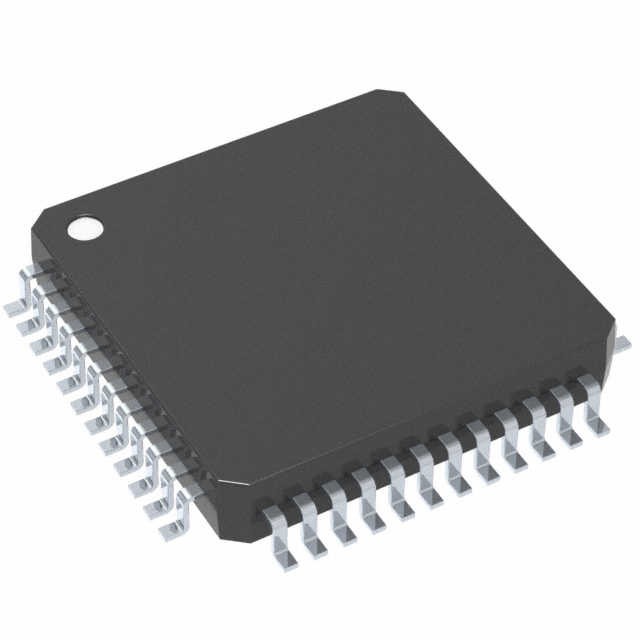
Sourcing Server Grade GPUs: Overcoming Supply Gaps
From training Large Language Models (LLMs) to executing complex financial simulations, the demand for data processing has outpaced the global supply of hardware. At the center of this surge is a critical component: the server-grade graphics card.
These components are no longer just "graphics" processors; they are the fundamental engines of High-Performance Computing (HPC). For procurement managers and data center architects, understanding the nuances of these cards—and securing a reliable supply chain for them—has become a top priority.
This article analyzes the technical distinctions of enterprise-grade hardware, the drivers behind the current global shortage, and strategic approaches to sourcing these critical assets.
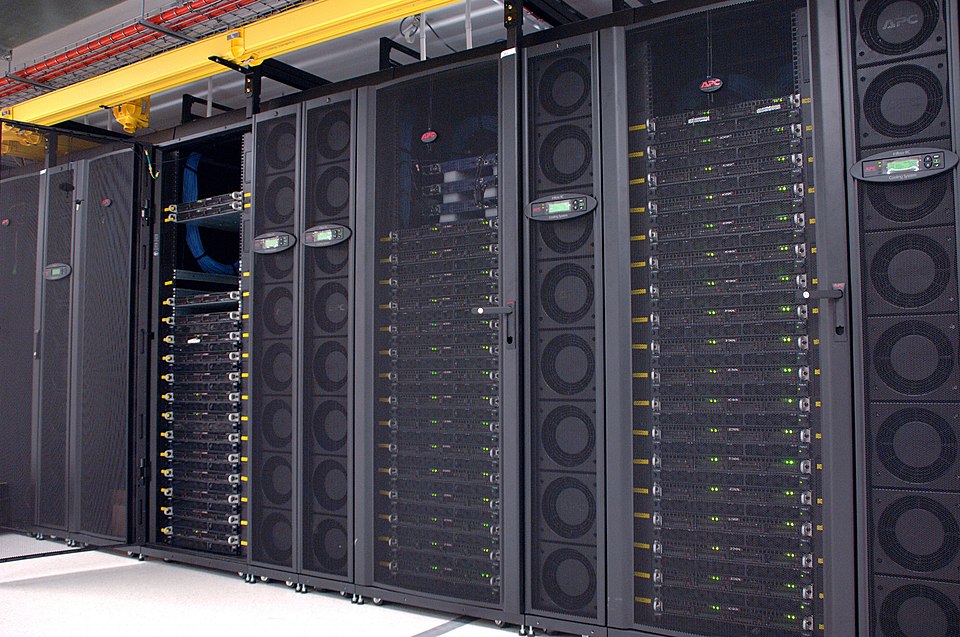
Defining the Enterprise Standard: Beyond the Specification Sheet
A common misconception in the procurement process is comparing server grade cards with high-end consumer hardware based solely on "speed." However, in a data center environment, speed is secondary to reliability and scalability.
A server grade graphics card creates value through three specific pillars that consumer hardware cannot match:
ECC Memory and Data Integrity
In scientific computing and AI training, a single bit-flip error can ruin weeks of work or lead to catastrophic calculation failures. Server grade GPUs utilize Error Correcting Code (ECC) memory. This technology detects and fixes data corruption instantly. For an enterprise, this is not a luxury feature; it is an insurance policy against data corruption in critical workloads.
Continuous Operation and Thermal Design
Consumer hardware is designed for "burst" performance—running fast for short periods. Server grade cards are engineered for "sustained" performance. They operate at 100% load, 24 hours a day, 365 days a year.
Physically, they look different. They utilize passive cooling architectures. Instead of onboard fans that can fail, they rely on the high-pressure airflow of the server chassis. This design allows for higher density, meaning you can stack more compute power into a smaller physical space, optimizing the Total Cost of Ownership (TCO) for the data center.
Virtualization Capabilities (vGPU)
One physical server grade card can be split into multiple "virtual" cards. This technology, known as vGPU, allows a single hardware unit to support multiple virtual desktops simultaneously. This is essential for maximizing hardware utilization rates in cloud environments—something standard hardware simply cannot do efficiently.
The Primary Drivers of Demand
Why is the market for these components so volatile? The demand is driven by a shift in how businesses process data.
Generative AI Training: The rise of AI models like GPT requires massive clusters of GPUs working in parallel. These workloads require high-bandwidth memory (HBM), a feature exclusive to top-tier server cards.
Edge Computing: As industries move toward automation, real-time data processing is needed on factory floors and telecom towers. This requires rugged, industrial-grade GPUs that can survive outside of pristine data centers.
Scientific Simulation: From weather forecasting to drug discovery, researchers depend on double-precision floating-point performance, which is optimized specifically in server grade architectures.
The Supply Chain Bottleneck
For procurement professionals, the reality is harsh: lead times for flagship server GPUs can exceed 50 weeks.
The shortage is not just about the chips themselves. It is often about advanced packaging. The technology required to combine the GPU die with high-speed memory (like CoWoS packaging) is limited to a few sophisticated factories globally. When demand spikes, these production lines become bottlenecks.
This creates a dangerous gap for businesses. A project scheduled to launch in Q3 cannot wait until next year for hardware. The traditional "Authorized Distributor" model, which relies on factory allocation, often fails to meet immediate project deadlines.
Strategic Sourcing: The Joydo-ele Advantage
In a market defined by scarcity, the standard procurement strategy—sending a request and waiting—is no longer effective. Companies need a proactive supply chain partner.
This is where Joydo-ele bridges the gap.
Unlike traditional channels that are bound by factory lead times, Joydo-ele operates as a specialized independent distributor. We focus on the spot market and inventory liquidity. Our role is to identify where the stock exists globally and move it to where it is needed most.
Speed and Authenticity
When you are sourcing components worth thousands of dollars each, trust is paramount.
1、Immediate Availability: We maintain visibility on "ready-to-ship" inventory. We understand that in the race for AI dominance, time-to-market is everything.
2、Quality Assurance: The secondary market can be risky. At Joydo-ele, we implement rigorous quality control standards to ensure that every server grade card delivered is genuine and meets manufacturer specifications.
You can view our current inventory capabilities at https://www.joydo-ele.com/. We help procurement teams bypass the 52-week wait times and secure the hardware necessary to keep R&D and deployment schedules on track.
Technical Considerations for Procurement
When sending a Request for Quotation (RFQ) for server grade graphics cards, specificity helps secure the right stock. Procurement managers should clarify the following with their engineering teams:
Interconnect Type: Does the system require PCIe or a proprietary form factor (like SXM)? This physically determines if the card fits the server.
Memory Bandwidth vs. Capacity: Does the workload need more storage (VRAM capacity) or faster data movement (Bandwidth)?
Thermal Headroom: Can the existing server rack handle the thermal output (TDP) of the new cards?
Conclusion
Server grade graphics cards are the heavy lifters of the technological revolution. They are complex, expensive, and difficult to manufacture, leading to a natural scarcity in the market.
For the modern enterprise, success does not just depend on having the best algorithms; it depends on having the hardware to run them. By understanding the unique value of these components and partnering with agile distributors like Joydo-ele, organizations can navigate the supply chain crisis and secure the compute power they need to innovate.