
What Makes Optical Sensors Work
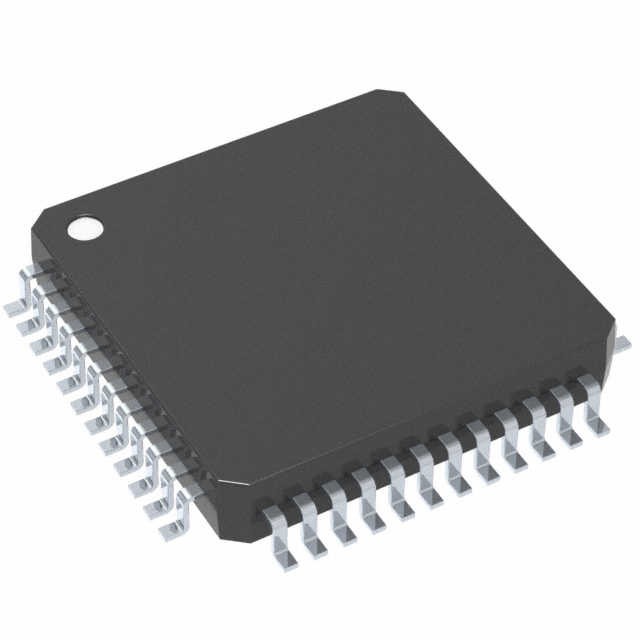
You use optical sensors every day, like when you unlock your phone or use a smart device. These optical sensors notice light and change it into electrical signals. Every optical sensor has three main parts: a light source, a sensing element, and a detector. This setup lets you measure how strong the light is, its patterns, and its wavelength. Optical sensors are used extensively in factories and electronics for people, making up more than half of today’s sensor technology. You find them in computers, alarm systems, and medical devices that monitor your health, alongside other technologies like current transformers that help in measuring electrical currents efficiently.
Optical Sensors Working Principle
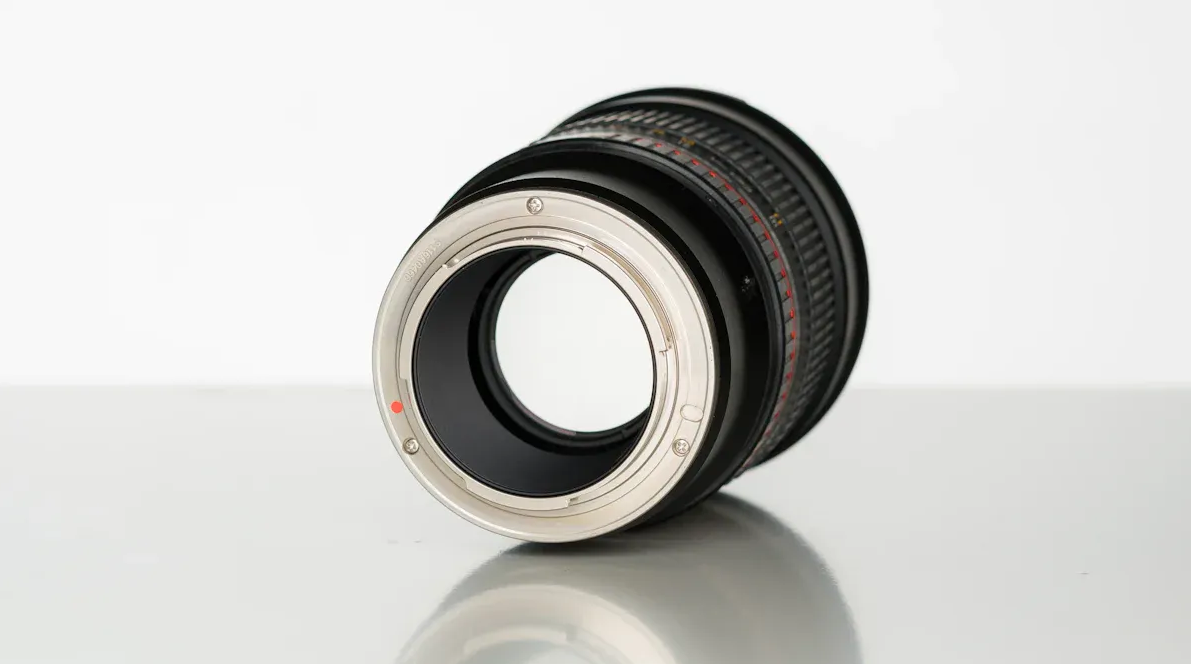
Image Source: pexels
Light Detection Process
You see how optical sensors work by watching how they handle light. These sensors measure light and turn it into electrical signals you can use. The process starts when the sensor sends out light toward an object. The light hits the object and bounces back to the sensor. The sensor picks up this reflected light and checks how much light comes back and where it lands. This helps you figure out the position or movement of the object.
Tip: Optical sensors can notice changes in light intensity, color, and even the way light bends. This makes them useful for many tasks, like checking if something is in the way or measuring how much light is in a room.
You can break down the light detection process into three main steps:
1、The sensor projects light onto the object.
2、The object reflects the light back to the sensor.
3、The sensor detects changes in the light and uses this information to measure position or movement.
Optical sensors react quickly to changes in light. When the light changes, the sensor adjusts its electrical output. This lets you use the sensor for things like automatic doors, alarms, or even medical monitors.
Some sensors use photodiodes. When light hits a photodiode, it creates a small electric current. The amount of current depends on how strong the light is. You can use this current to measure light intensity or detect objects. Special photodiodes ( or LED chip )can even work in very low light or respond quickly to fast changes.
Main Components
You find three main parts in every optical sensor: the light source, the sensing element, and the detector. Each part has a special job.
The light source sends out light. You often see LEDs used for this because they are bright and reliable.
The sensing element interacts with the light. It might be a prism, a lens, or another material that changes how light moves.
The detector catches the light after it passes through or bounces off the sensing element. It turns the light into an electrical signal.
Note: The light source shines on the object. The sensing element changes how the light behaves, depending on what is present. The detector measures the light and sends a signal to your device.
For example, in some sensors, the light source sends light into a prism. If nothing is blocking the prism, the light reflects back to the detector. If something covers the prism, like a liquid, the light bends away and less light reaches the detector. The detector notices this change and sends a signal to trigger an alarm or control a machine.
Optical sensors use the way light interacts with matter. Light can change in strength, color, or direction. The sensor picks up these changes and turns them into signals you can use. This makes optical sensors important for many devices you use every day.
Types of Optical Sensors
There are many kinds of optical sensors. Each one detects and measures light in its own way. These sensors help with different jobs. Some check light levels. Others help capture images. Here are some main types you might use or see.
Photodiodes
Photodiodes are a common kind of optical sensor. When light hits a photodiode, it makes an electric current. More light means more current. Silicon photodiodes work well for most uses. They also respond quickly. Some, like avalanche photodiodes, are even more sensitive. For example, a silicon photodiode with high quantum efficiency at 800 nm can reach a responsivity of about 0.58 A/W. This lets you measure even small changes in light.
Tip: Photodiodes help measure light in smoke alarms and light meters.
Fiber Optic Sensors
Fiber optic sensors use thin glass or plastic fibers. These fibers send light signals over long distances. You can use them to measure things far away. They also work in places with lots of electrical noise. The light travels through the fiber. It changes if something happens, like a bend or a temperature change. Fiber optic sensors work well in tough places. They are safe near high voltage or in explosive areas. They do not conduct electricity or make sparks.
Fiber optic sensors work where other sensors might not.
They resist electromagnetic interference and handle extreme heat or cold.
You can connect many sensors to one fiber for easy data collection.
Image Sensors
Image sensors help you take pictures. They turn light into digital signals. When light hits the sensor, it releases electrons. More light means more electrons. The sensor has a grid of tiny spots called photosites. Each spot becomes a pixel in your picture. The sensor gathers all the data and makes a full image. You find image sensors in cameras, phones, and medical devices.
Note: Image sensors use CCD or CMOS technology to make clear images.
Other Types
There are other optical sensors for special jobs. Pyrometers measure temperature from far away using infrared light. Proximity sensors tell if something is close without touching it. Some, like photomultiplier tubes, can detect single photons. They work in very low light. Newer sensors use special materials. They are very sensitive and have low noise. Some need special cooling or settings.
Remember: Each optical sensor type has its own strengths. Pick the right one for your needs and where you will use it.
Applications of Optical Sensors
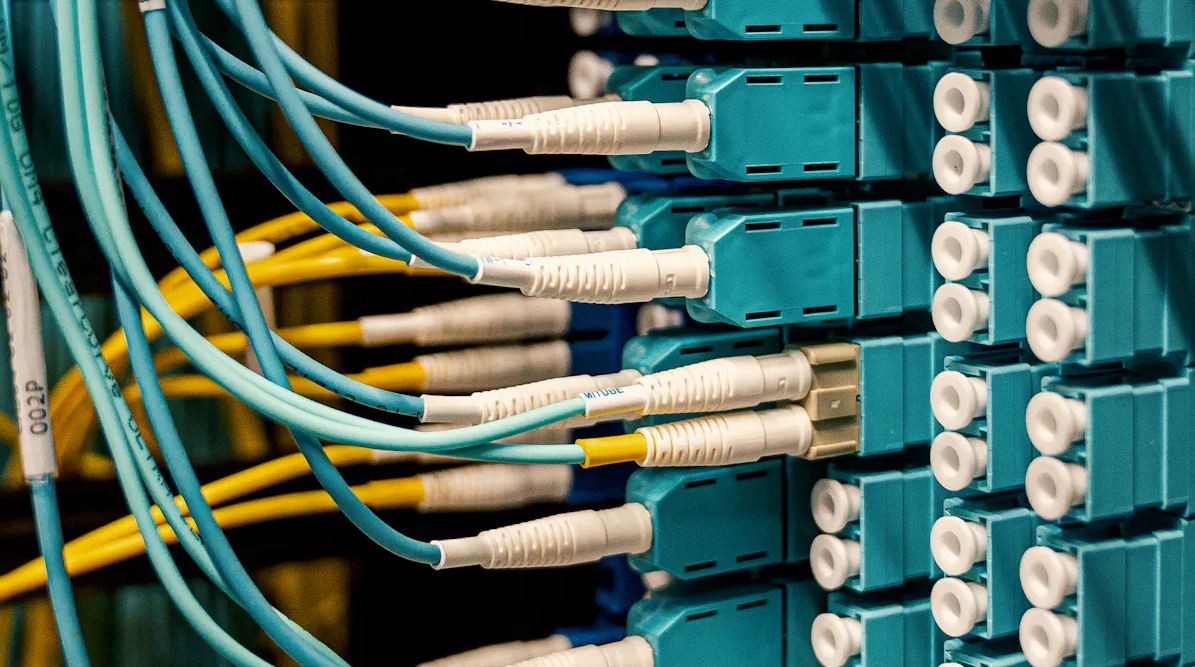
Image Source: pexels
Optical sensors help many industries work better. They make jobs safer, faster, and more exact. You see them in factories, cars, hospitals, and planes. Each place uses these sensors in its own way.
Industrial Automation
Factories use optical sensors on machines and lines. They measure and control things quickly and accurately. Photoelectric sensors check where items are, count products, and find problems. These sensors work well in hard places like food and packaging. They can spot colors, measure thickness, and do jobs regular sensors cannot. They help make more products and improve quality.
Tip: Optical sensors help in healthcare, cars, and food safety. They watch health, help cars drive themselves, and find bad things in food fast.
Automotive and ADAS
Cars use optical sensors for safety and driving. ADAS needs these sensors for blind spot checks, lane warnings, and cruise control. Cameras, LiDAR, and radar work together to keep you safe. Laws now say cars must have these sensors for safety. More cars use ADAS and self-driving tech, so people want more sensors.
Optical sensors make cars safer and smarter.
Laws and new tech mean more sensors in new cars.
Medical and Clinical Use
Medical devices use optical sensors to help you. These sensors let you check your health without pain. They measure oxygen, heart rate, and other signs by watching light changes. You find them in wearables, so you can track health every day. Optical sensors are very sensitive and exact, so doctors trust them for quick results.
Note: These sensors work for all skin types and can check many health signs at once.
Aerospace and LiDAR
Planes and drones use optical sensors. LiDAR uses lasers to measure distance and make 3D maps. These sensors help pilots and robots avoid things and fly safely. They work well in tough places and give clear pictures, even at night. You use them to find dangers and measure distance in space missions.
Optical sensors are very sensitive, fast, and flexible in many places.
They help keep planes and robots safe and working well.
Optical Sensors help you use technology in new ways. They use light to find objects and see changes without touching. You can find them in many places.
Healthcare: Pulse oximeters measure your blood oxygen.
Environmental Monitoring: Sensors watch air and water quality.
Industrial Automation: Robots use them for safety and control.
Consumer Electronics: Phones use them to recognize faces.
You depend on these sensors for quick and safe results. They help you fix problems and make life better every day.
FAQ
What is an optical sensor?
An optical sensor sees light and turns it into electricity. You find these sensors in phones, cameras, and health monitors. They help you check light, spot things, and follow movement.
How do you choose the right optical sensor?
First, decide what you want to measure. Think about how bright the light is, its color, or how far away something is. Look at how fast, sensitive, and big the sensor is. Choose one that fits your device and works where you need it.
Where do you find optical sensors in daily life?
You see optical sensors in phones, doors that open by themselves, smoke alarms, and fitness bands. They help you unlock things, keep you safe, and watch your health.
Can optical sensors work in dark places?
Some optical sensors can work when it is dark. You use special ones like photomultiplier tubes or sensitive photodiodes. These can find even very small amounts of light.