
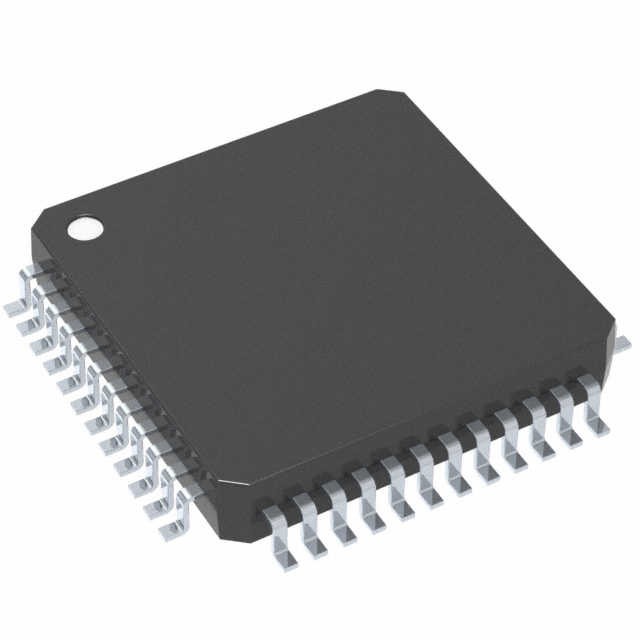
Why EEPROM vs Flash Matters for Everyday Devices
You depend on your smartphone to keep your photos safe, your smart home devices to respond instantly, and your car to perform reliably. The hidden choice between EEPROM vs Flash shapes how these devices work for you every day. When manufacturers select EEPROM, your phone holds onto important data even if the battery dies, your smart thermostat uses less power, and your car's systems resist harsh conditions. These memory decisions determine how long your devices last, how quickly they respond, and how much you trust their performance.
What Are EEPROM and Flash?
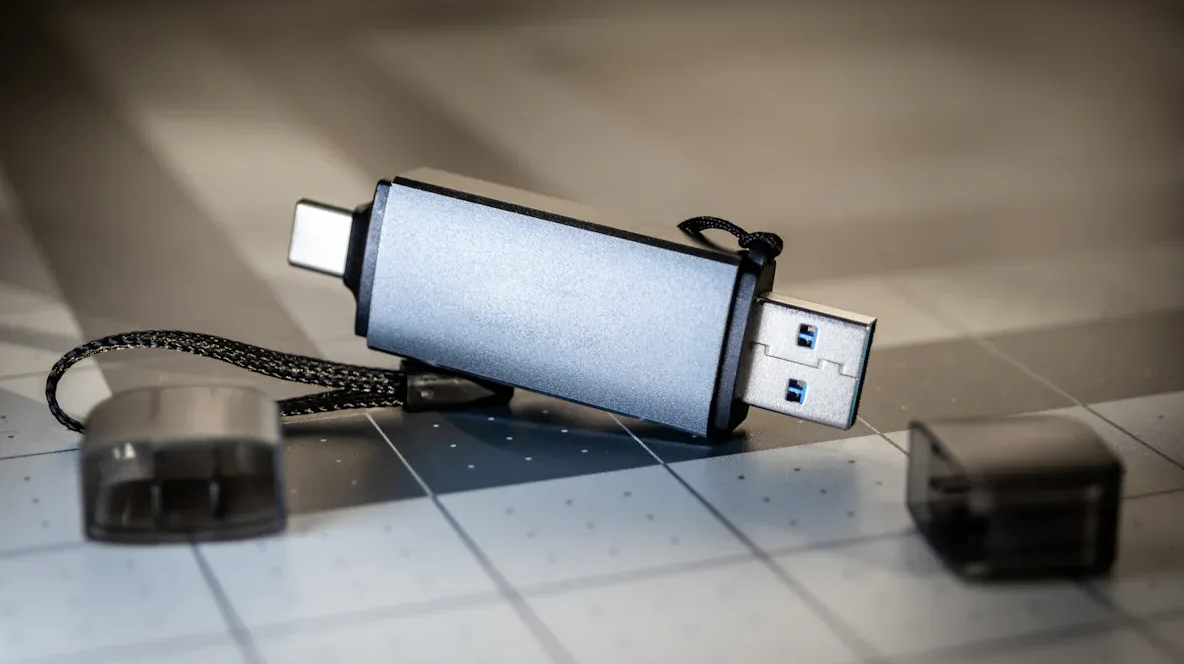
Image Source: pexels
Definitions Made Simple
You interact with devices every day, but you rarely see the memory working inside. EEPROM stands for Electrically Erasable Programmable Read-Only Memory. It stores small amounts of data that must survive when you turn off your device. Flash memory is a close relative. It also keeps your data safe without power, but it handles much larger amounts of information. You find flash memory in USB drives, SD cards, and the storage inside your smartphone.
Tip: If you want your device to remember your settings or save your progress, you depend on these memory types.
Roles in Devices
You benefit from EEPROM and flash memory in ways you might not notice. EEPROM keeps your preferences, like language or brightness, even after you unplug your device. It stores calibration data in medical equipment and industrial controllers, making sure these tools work accurately every time. You rely on EEPROM for firmware updates in embedded systems, which means your devices can improve without needing new hardware.
Flash memory steps in when you need to save lots of data or update files often. Your phone uses flash memory to store photos, apps, and system updates. Smart home devices use flash to rewrite code and settings, so you get new features and better security. Flash memory erases data in blocks and rewrites at the byte level, which makes it perfect for devices that need frequent updates.
You trust EEPROM to keep critical information safe.
You rely on flash memory for speed and flexibility.
The choice between EEPROM vs Flash shapes how your devices perform and how long they last.
When you understand these roles, you make smarter choices about the devices you buy. You know why your phone remembers your favorite settings and why your smart thermostat updates itself overnight. You see how these hidden components make your life easier and more reliable.
EEPROM vs Flash: Key Differences
Data Retention & Endurance
You want your devices to last. The choice between EEPROM vs Flash makes a big difference in how long your data survives and how many times you can update it. EEPROM stands out for its incredible endurance. You can rewrite data millions of times without worrying about failure. Flash memory, on the other hand, supports hundreds of thousands of cycles. If you need a device that stores critical information for years, EEPROM gives you peace of mind. Many manufacturers guarantee EEPROM will keep your data safe for 10 to 20 years, sometimes even longer. Flash memory usually lasts around 10 years, but its retention period depends on how you use it and the technology inside.
If you rely on a device for safety or long-term reliability, EEPROM is the smarter choice. It fails gracefully during power loss, so your important values stay protected.
EEPROM is ideal for storing settings, calibration data, and other values that must survive for the life of your device.
Flash memory works well for storing larger files, but it may not offer the same level of data integrity over time.
Speed & Performance
You expect your devices to respond quickly. The difference between EEPROM vs Flash affects how fast your device can save and update information. EEPROM writes data one byte at a time. This process takes longer and can slow down responsiveness, especially if you need to update lots of information. Flash memory uses block erase and write technology. It handles large chunks of data much faster, which means your phone, tablet, or smart home device can save photos, apps, and updates in seconds.
Flash memory boosts device speed and performance, making it perfect for applications where quick updates matter.
EEPROM is slower, but it shines when you need to change small amounts of data reliably.
Tip: If you want instant updates and fast file transfers, devices with flash memory deliver the experience you expect.
Power & Cost
You care about battery life and price. The choice between EEPROM vs Flash impacts both. EEPROM uses very little power, especially in standby mode. You can leave your device on for days without draining the battery. Flash memory consumes more power during writes and erases, which can shorten battery life in portable devices.
EEPROM keeps power consumption low, making it ideal for battery-powered gadgets.
Flash memory uses more energy but offers faster performance for larger tasks.
When it comes to cost, flash memory wins for big storage needs. Manufacturers can offer large capacities at lower prices. EEPROM costs more per byte, but you get unmatched reliability for small data storage.
If you want a device that lasts longer between charges and stores critical data, EEPROM is worth the investment.
Storage Size & Use Cases
You need the right amount of storage for your needs. EEPROM vs Flash offers different solutions. Flash memory provides huge storage capacities at a lower cost. You find it in smartphones, tablets, and cameras where you need space for photos, videos, and apps. EEPROM offers smaller capacities, but it excels in embedded systems and devices that store minimal data.
Flash memory is the best choice for devices that handle lots of files and frequent updates.
EEPROM is perfect for storing small but vital information, like device settings or security codes.
Choose flash memory for entertainment and productivity. Pick EEPROM for reliability and long-term data protection.
You see why the differences between EEPROM vs Flash matter. Your choice affects how your device performs, how long it lasts, and how much you trust it with your data. When you understand these key differences, you make smarter decisions and get the most from your technology.
Impact on Devices
Image Source: unsplash
Reliability & Lifespan
You want your devices to work every time you need them. Reliability and lifespan depend on the memory inside. When you compare EEPROM vs Flash, you see how each type affects your trust in technology. EEPROM keeps your data safe for decades, often up to 40 years. You can count on it to store important settings and calibration data, even if you lose power. Flash memory holds data even longer, sometimes up to 100 years, but it faces unique challenges. The failure rate of Flash memory doubles with every 10-degree increase in temperature. If you use your device in hot environments, you risk losing data faster.
EEPROM can fail if you rewrite data too often. Bit cells may get stuck, but you still get years of dependable service.
Flash memory inherits some problems from EEPROM, like data retention issues. You must consider how often you update files and where you use your device.
You deserve devices that last. Choosing the right memory means you avoid unexpected failures and enjoy peace of mind.
Updates & Flexibility
You expect your devices to stay current and secure. The ability to update firmware and software keeps your gadgets useful and safe. Flash memory gives you speed and space for big updates. You can download new features and security patches quickly. EEPROM offers precision. You can update individual bytes without erasing large blocks of data. This control lets manufacturers fix bugs and improve performance without risking other settings.
Flash memory supports over-the-air updates, so you get new features without visiting a service center.
EEPROM lets you change small details, like device settings, without affecting the whole system.
EEPROM retains data for 10 to 20 years without power. You get long-term integrity for critical information.
Devices use secure update mechanisms to protect your data. Features like rollback protection and secure boot keep your device safe from hackers.
If you want a device that recovers from failed updates and blocks unsafe software, memory choice matters. Reliable updates mean you always get the best experience.
EEPROM vs Flash in Everyday Devices
You use devices every day that depend on memory for performance and safety. Smartphones, tablets, and media players rely on Flash memory for fast storage and frequent updates. You enjoy quick access to photos, apps, and music. Industrial systems, security devices, and medical products also use Flash for large data needs.
EEPROM stores small amounts of data in computers and electronics. You benefit from stable settings and secure firmware.
Devices like smart TVs and smartphones use EEPROM for firmware storage. Manufacturers send remote updates to improve security and add features.
Microcontrollers in appliances use EEPROM for frequent updates. You get flexibility and reliability in products like washing machines and thermostats.
Callout: The choice between EEPROM vs Flash shapes how your devices respond, update, and protect your data. You get better performance, longer lifespan, and more security when manufacturers choose wisely.
You want technology that adapts to your needs and stands the test of time. Understanding memory choices helps you pick devices that deliver lasting value.
Choosing the Right Memory
Consumer Tips
You want your devices to last and perform reliably. The type of memory inside plays a big role in how long your device stays useful. If you choose products with high-quality memory, you protect your data and avoid headaches down the road. Memory cards and chips have a limited number of write cycles. Frequent saving and deleting can wear them out faster. You should look for devices that use memory with strong wear-leveling features. These features help spread out usage and extend lifespan.
Handle your devices with care. Dropping or exposing them to extreme temperatures can damage memory and shorten life.
Avoid deleting files while your device is busy. This can cause data corruption and lead to card failure.
Pick devices from brands that focus on quality. Better memory means fewer problems and longer service.
If you want to keep your photos, settings, and important files safe, choose devices with reliable memory and treat them gently.
Designer Advice
You design products that people depend on every day. The memory you select shapes user experience and product reputation. EEPROM offers more write/erase cycles, making it ideal for settings and calibration data that change often. Flash memory works best for storing large files and supporting fast updates. You must weigh endurance, cost, and reprogramming needs.
Decide if your device needs online reprogramming or if users can replace it easily.
Choose the right memory architecture for your application. EEPROM suits frequent updates; Flash fits bulk storage.
Consider cost. Internal memory may save money, but external options can offer more flexibility.
Think about programming methods. In-System Programming (ISP) requires stopping the device, while In-Application Programming (IAP) lets you update without interruption.
If you want your product to stand out for reliability and easy updates, pick memory that matches your users’ needs and your design goals.
You make smart choices when you understand why memory matters. The right decision gives you devices that last longer, work better, and keep users happy.
You make smarter choices when you understand why EEPROM and Flash memory matter. These memory types shape how your devices store data, respond to updates, and last over time.
EEPROM gives you reliable storage for settings and calibration, especially in devices that need endurance and low power.
Flash memory powers fast updates and large storage, perfect for your photos and apps. Knowing these differences helps you pick devices that fit your needs and stay dependable. When you learn the basics, you get more value and confidence from your technology every day.
FAQ
Why should you care about EEPROM vs Flash in your devices?
You want devices that last longer and protect your data. Choosing the right memory type means you get better reliability, faster updates, and fewer headaches. You deserve technology that works for you every day.
Why does EEPROM offer better endurance for critical data?
You need memory that survives frequent changes. EEPROM handles millions of write cycles, so your device keeps important settings safe. You avoid losing calibration or security codes, even after years of use.
Why does Flash memory make your phone faster?
Flash memory writes and erases data in large blocks. You get quick app installs, fast photo saves, and speedy updates. You enjoy a smooth experience every time you use your device.
Why do manufacturers use both EEPROM and Flash in one product?
You benefit from the strengths of each memory type. Manufacturers use EEPROM for settings and Flash for big files. You get reliable storage for preferences and fast performance for apps and media.
Why should you choose devices with quality memory?
You want peace of mind. Devices with high-quality memory protect your photos, settings, and personal data. You avoid frustration and keep your technology working longer.